
Superpowers for your AI agent

CREATE YOUR ACCOUNT
New accounts get $1 of credit.
Let your agent be smarter, read social media, search data, prices, maps reviews, listen to hours of audio, and know what it all says.
8 superpowers for your agent
-
 Social Analyst
Know what the internet thinks
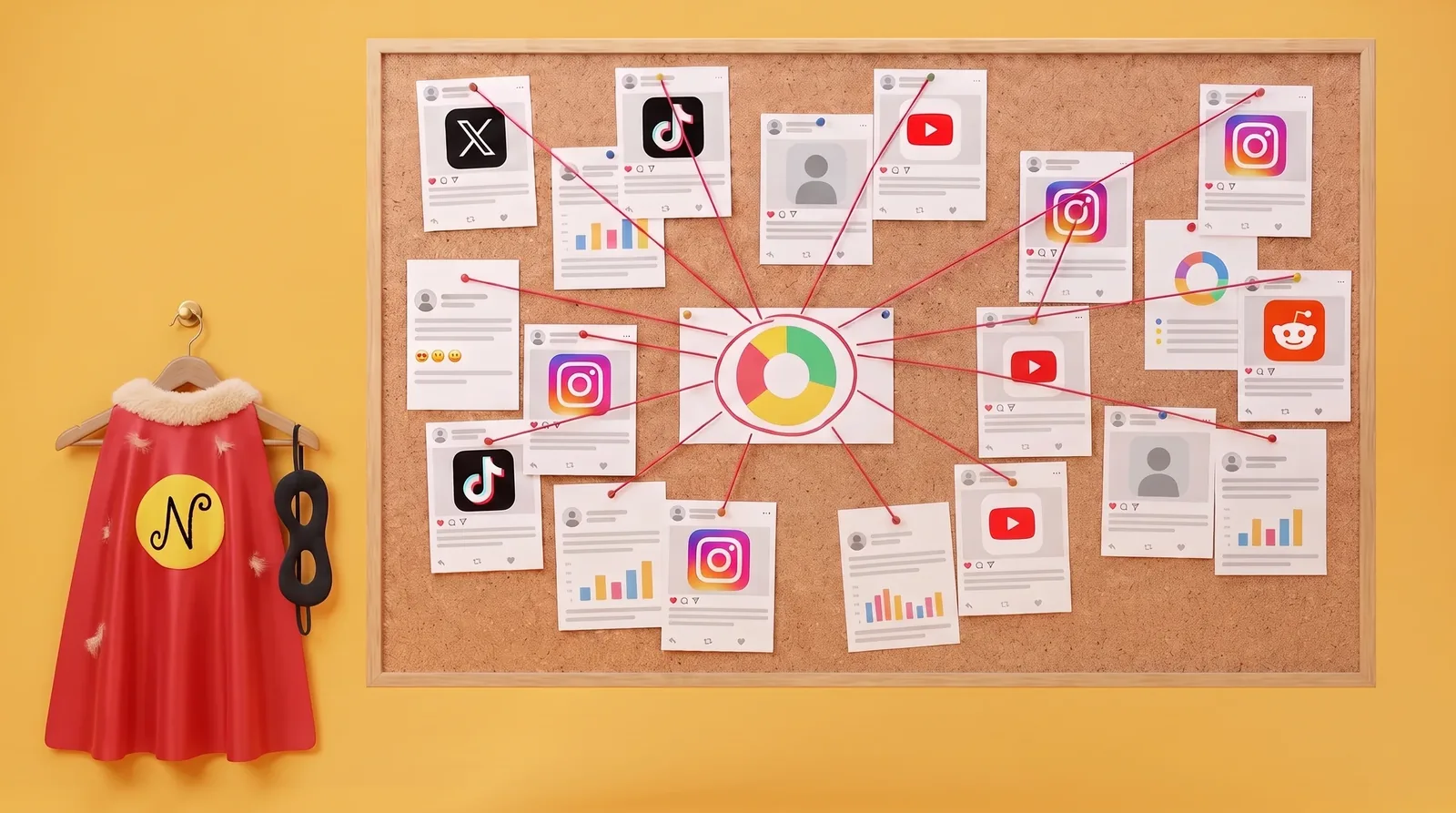
Let your agent read X, TikTok, YouTube, Instagram and Reddit, and know what people say about a brand, public figure, news, event, etc.
See the superpower
Social Analyst
Know what the internet thinks
Let your agent read X, TikTok, YouTube, Instagram and Reddit, and know what people say about a brand, public figure, news, event, etc.
See the superpower
-
 Genius
Use a bigger brain
Let your agent hand its hardest questions to the top-scoring AI models, choose how hard each one thinks, and pay only when it calls.
See the superpower
Genius
Use a bigger brain
Let your agent hand its hardest questions to the top-scoring AI models, choose how hard each one thinks, and pay only when it calls.
See the superpower
-
 Search Insights
See what people search for
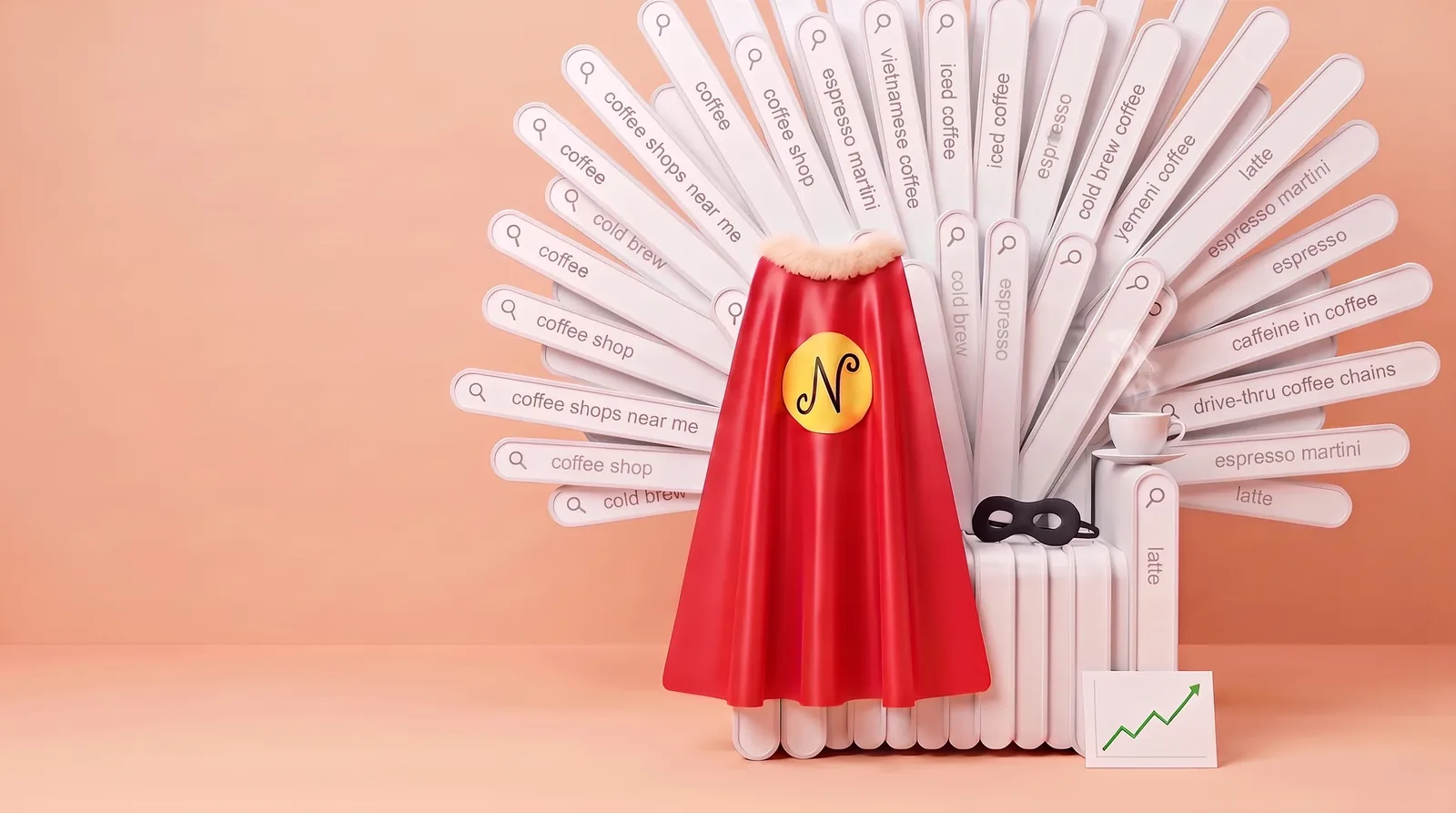
Let your agent read Google's search data, and know what people search for, when, and who ranks, about any topic, product or brand.
See the superpower
Search Insights
See what people search for
Let your agent read Google's search data, and know what people search for, when, and who ranks, about any topic, product or brand.
See the superpower
-
 Listener
Listen to hours in minutes
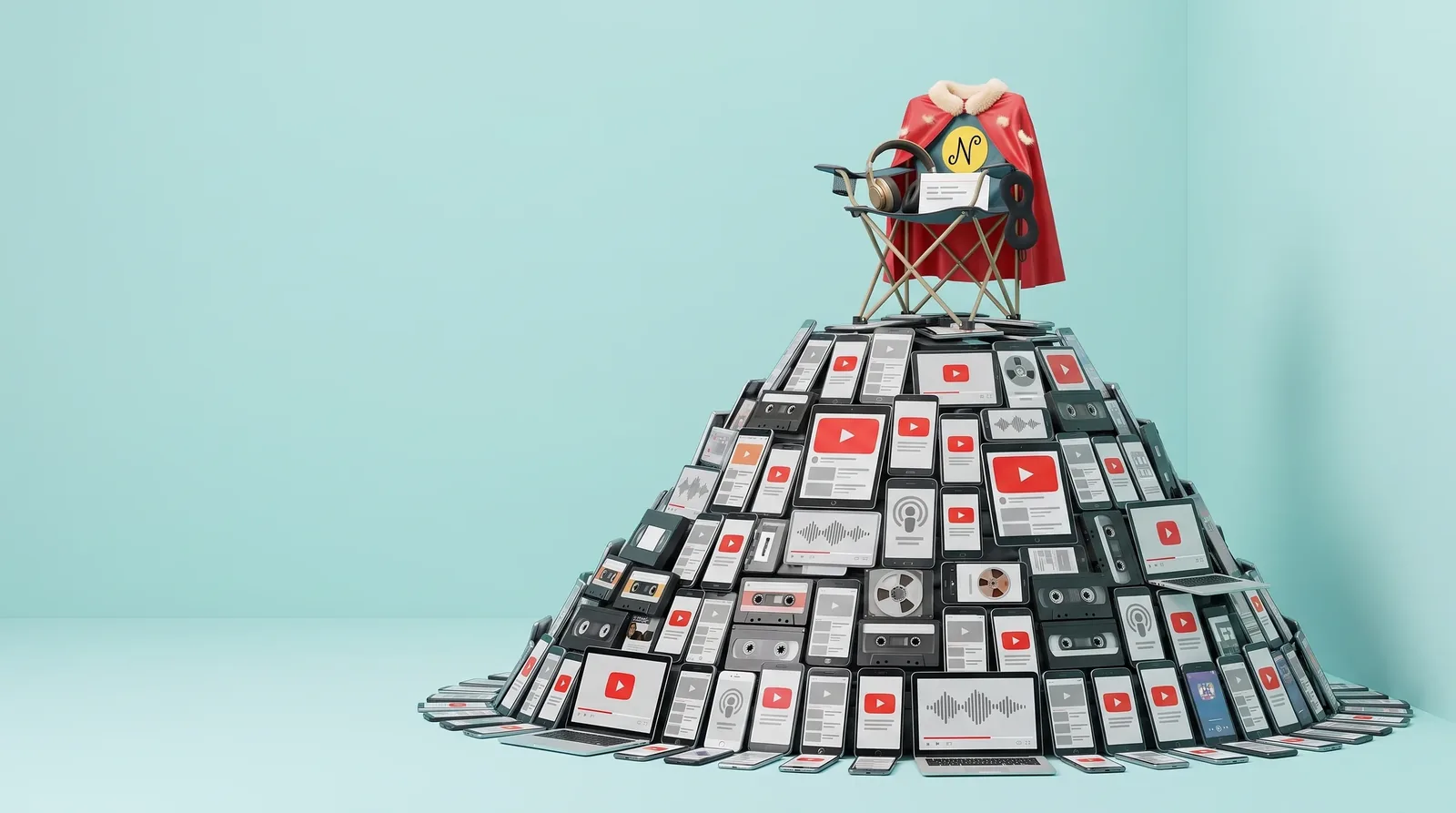
Let your agent listen to hours of YouTube videos and podcast episodes at once, and know what was said in minutes.
See the superpower
Listener
Listen to hours in minutes
Let your agent listen to hours of YouTube videos and podcast episodes at once, and know what was said in minutes.
See the superpower
-
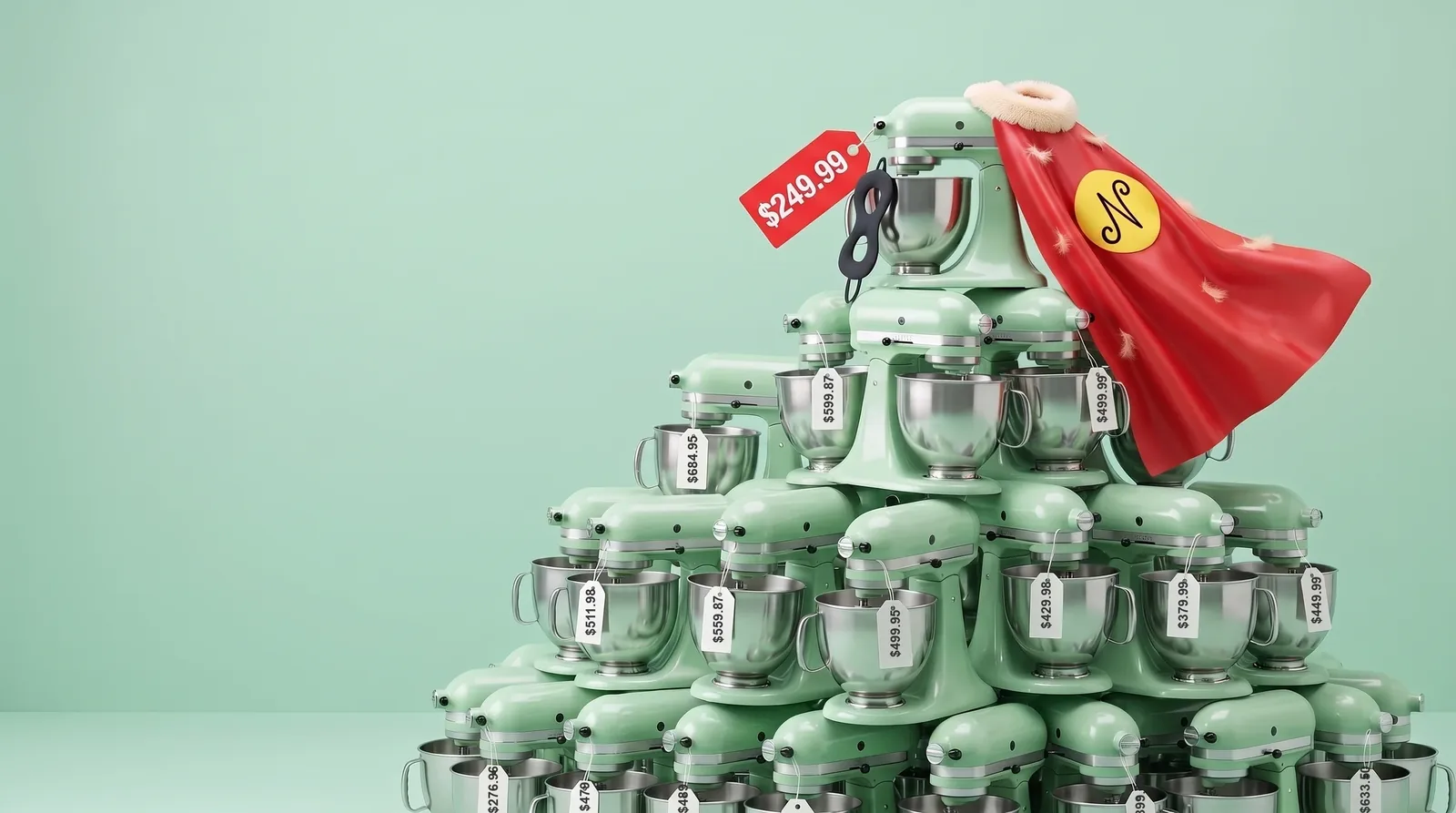 Deal Hunter
Find the real best price
Let your agent compare Amazon, Google Shopping, eBay and store pages, and know where anything you want to buy is really cheapest.
See the superpower
Deal Hunter
Find the real best price
Let your agent compare Amazon, Google Shopping, eBay and store pages, and know where anything you want to buy is really cheapest.
See the superpower
-
 Local Scout
Know a city like a local
Let your agent go deep on local businesses across Google Maps, Reddit, TripAdvisor and Yelp, and know which restaurants, shops and services are worth it, in any city.
See the superpower
Local Scout
Know a city like a local
Let your agent go deep on local businesses across Google Maps, Reddit, TripAdvisor and Yelp, and know which restaurants, shops and services are worth it, in any city.
See the superpower
-
 Classifier
Sort thousands in minutes
Let your agent sort thousands of products, reviews or posts by your own rules, and know what the whole pile says in minutes.
See the superpower
Classifier
Sort thousands in minutes
Let your agent sort thousands of products, reviews or posts by your own rules, and know what the whole pile says in minutes.
See the superpower
-
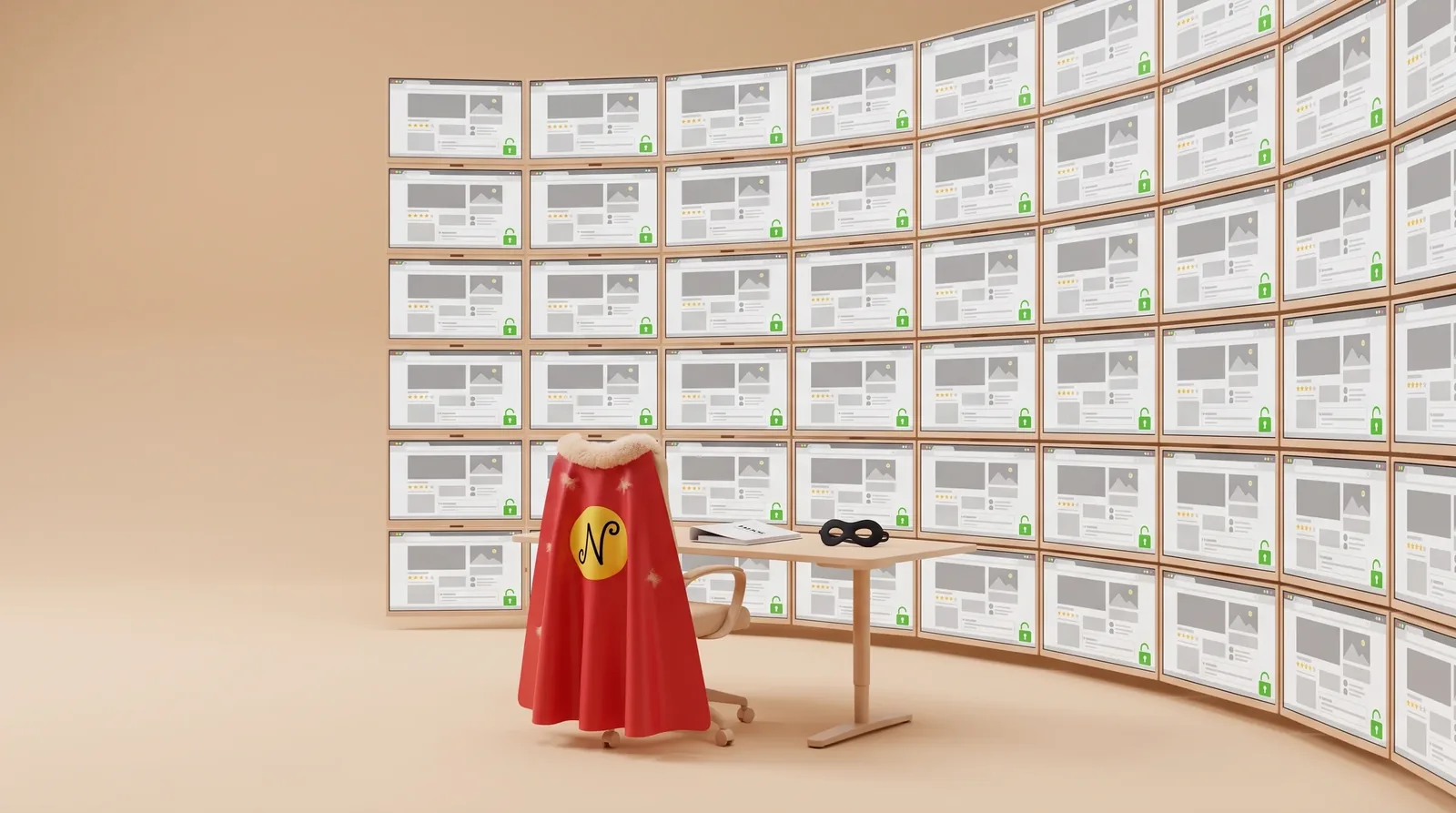 Deep Researcher
Search where no agent can go
Let your agent research a company across review sites, forums, job sites, social media and the news, even sites that refuse ordinary requests, and know what customers, partners and employees really say.
See the superpower
Deep Researcher
Search where no agent can go
Let your agent research a company across review sites, forums, job sites, social media and the news, even sites that refuse ordinary requests, and know what customers, partners and employees really say.
See the superpower
We power all agents
Muse, OpenAI, Claude, Hermes, OpenClaw, Instinct and more.
Pay per call
New accounts get $1 of credit.
Billed per call at the price shown.
See pricingImplementation takes just a few seconds and is done entirely by your agent.
set up https://nativeport.ai/SKILL.md
Give your agent superpowers
CREATE YOUR ACCOUNTNew accounts get $1 of credit.